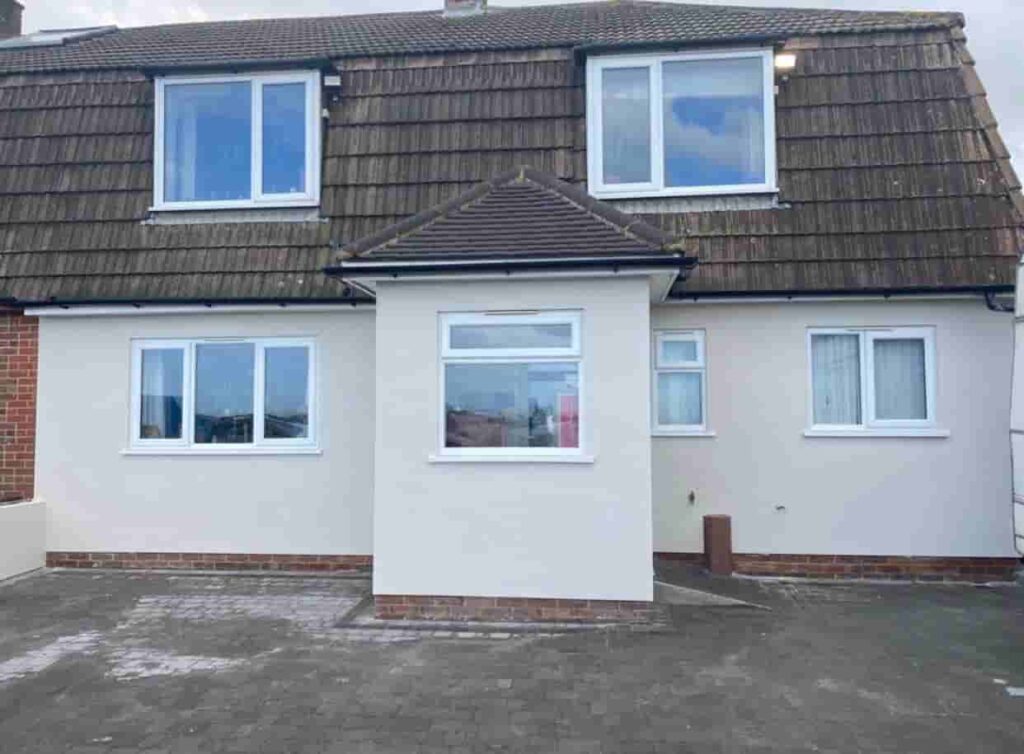
A slipped roof tile can look like a relatively minor defect. If only one tile has moved out of position, it may seem reasonable to assume that replacing or securing it will completely resolve the problem. In many cases, a slipped tile is indeed a localised issue. However, when tiles begin slipping repeatedly or several areas of the roof are affected, they can be an early indication that wider deterioration is developing.
For homeowners in Foots Cray, South East London, the important step is to understand why the tile has moved rather than focusing solely on the visible symptom. A professional roof inspection can determine whether an isolated repair is all that is required or whether other parts of the roofing system also need attention.
Why Do Roof Tiles Slip?
Roof tiles are installed so that they remain correctly positioned while forming a continuous weather-resistant covering. If one moves from its intended position, there is normally an underlying reason.
Possible causes include:
- Deteriorated or failed fixings
- Damage to the tile itself
- Deterioration of supporting battens
- Movement caused by strong winds
- Age-related deterioration
- Previous poor repairs
- Problems affecting surrounding tiles
- General deterioration across an older roof
Understanding the cause is important because simply repositioning the tile will not necessarily prevent the problem from happening again.
When Is a Slipped Tile Just an Isolated Problem?
Not every slipped tile indicates serious deterioration.
A particular tile may have become damaged or displaced while the surrounding roof remains in perfectly serviceable condition. Where professional inspection confirms that the problem is genuinely localised, repairing the affected section may be entirely appropriate.
The distinction becomes important when the same problem starts appearing elsewhere.
If one tile slips, is repaired and no further issues occur, there may be little cause for wider concern. If additional tiles continue moving over the following months, the roof deserves a more comprehensive assessment.
Repeated Slipped Tiles Can Reveal a Pattern
Individual defects become more significant when they form part of a recurring pattern.
For example, a homeowner might initially notice one displaced tile near the lower part of the roof. Later, another may move on a different section, followed by further problems after windy weather.
Treating each tile separately may temporarily restore the visible covering, but it does not answer why the roof is becoming increasingly susceptible to movement.
A whole-roof assessment can establish whether the incidents are unrelated or whether ageing materials and components are beginning to deteriorate more generally.
The Condition of the Fixings Matters
Roof tiles rely on appropriate fixing methods to remain secure.
Over a long period, components within the roof can deteriorate. Where fixings are no longer performing as intended, tiles may become increasingly vulnerable to movement.
Strong winds can then expose the weakness.
The weather may appear to have caused the problem, but the underlying deterioration may have been developing gradually beforehand.
If several tiles have slipped, assessing the condition of the surrounding roof is therefore more useful than assuming each tile has simply been moved by the wind.
Battens Can Also Be Part of the Problem
Tiles are supported by battens beneath the visible roof covering.
If these supporting components have deteriorated, repeatedly securing individual tiles may not address the underlying issue.
This is one reason professional investigation is valuable. The visible tile is only the outermost part of a roofing system containing several components that need to work together.
Where appropriate, a roofer can assess whether the problem is limited to the tile and its fixing or whether the supporting structure in that area also requires attention.
Older Roofs Deserve Closer Assessment
Age does not automatically make a roof defective. Many established roofs continue performing reliably with appropriate maintenance.
However, roofing components do not all deteriorate in isolation.
As a roof becomes older, several areas can begin showing signs of wear within a relatively similar period. A slipped tile might therefore be one of the first visible indications that the roof requires closer attention.
Other warning signs may include:
- Increasing numbers of cracked tiles
- Repeated localised leaks
- Loose ridge or verge materials
- Deteriorated flashing
- Uneven-looking sections of roof covering
- Previous repairs becoming increasingly frequent
When several symptoms occur together, assessing the complete roof becomes particularly important.
Why Slipped Tiles Should Not Be Ignored
A tile is positioned to form part of the roof’s protective covering. Once it moves, the area beneath may become more exposed to rainfall.
The defect does not necessarily cause immediate visible water ingress inside the property. This can sometimes give homeowners the impression that the problem is not urgent.
However, continued exposure to wet weather can increase the likelihood of moisture reaching underlying materials.
Addressing a slipped tile promptly gives a roofer the opportunity to restore the affected section and investigate why the movement occurred.
Water Can Travel Before Becoming Visible Indoors
One reason roofing defects can be deceptive is that the external problem and internal symptom may not appear in the same place.
Water entering around a displaced tile can potentially travel along roofing materials before becoming visible as a damp patch or stain.
Consequently, waiting for an internal leak before dealing with a visibly slipped tile is not a good way to judge whether the roof needs attention.
Visible changes to the roof covering are themselves worth investigating.
Weather Often Reveals Existing Weaknesses
Homeowners commonly notice slipped tiles following periods of strong wind or difficult weather.
Sometimes the weather itself is enough to disturb an otherwise sound tile. In other cases, it exposes a weakness that was already present.
A tile with deteriorated support or fixing may remain apparently secure during calmer conditions but move when subjected to stronger forces.
If tiles repeatedly slip whenever difficult weather occurs, the question should become why that particular roof is increasingly vulnerable.
Look at the Surrounding Tiles
When repairing a slipped tile, attention should not necessarily stop with the individual component.
Neighbouring tiles can provide useful information about the condition of the surrounding roof.
A professional roofer may consider whether they are:
- Correctly positioned
- Securely fixed
- Cracked or damaged
- Showing signs of deterioration
- Sitting evenly
- Likely to require attention soon
This broader inspection can identify developing problems before they result in additional slipped tiles.
Previous Repairs Can Provide Useful Clues
A roof’s maintenance history can help reveal whether deterioration is becoming more widespread.
One previous slipped tile is not particularly unusual. Numerous repairs involving loose or displaced tiles across several parts of the roof can indicate a developing pattern.
The important question is whether each repair has addressed a genuinely isolated problem or whether the roof is gradually requiring more frequent intervention.
If repairs are becoming increasingly common, a whole-roof assessment can provide a clearer understanding of its current condition.
Does a Slipped Tile Mean You Need a New Roof?
No. A slipped tile by itself does not mean that the roof needs replacing.
Where the surrounding covering, battens, fixings and other roofing components remain serviceable, a professional localised repair may be sufficient.
Roof replacement becomes more relevant when slipped tiles are accompanied by extensive or recurring deterioration throughout the roofing system.
The decision should be based on the complete condition of the roof rather than one visible defect.
When Should Wider Roof Deterioration Be Suspected?
It is worth arranging a more detailed assessment when:
Several tiles have slipped
Multiple affected areas can indicate something more significant than an isolated defect.
The problem keeps returning
Repeated tile movement after previous repairs deserves further investigation.
Other tiles are visibly deteriorating
Cracking, breakages and widespread wear can indicate that the covering is ageing more generally.
Leaks have started occurring
Water ingress alongside repeated tile problems suggests the roof’s weatherproofing needs careful assessment.
Other roofing components are deteriorating
Problems with flashing, ridges, valleys or other details can add to the evidence that the roof requires broader attention.
Early Repairs Can Prevent a Larger Problem Developing
One of the main advantages of addressing slipped tiles promptly is the opportunity to deal with deterioration while it remains manageable.
If the problem is isolated, the necessary repair can be carried out before prolonged exposure affects the surrounding area.
If the inspection identifies wider deterioration, homeowners gain an early understanding of the roof’s condition rather than discovering the problem after significant water ingress occurs.
Professional roofing work is therefore valuable not only for correcting the visible defect but also for identifying what caused it.
Why a Whole-Roof Inspection Can Be Worthwhile
When slipped tiles have become a recurring issue, inspecting only the latest affected area provides limited information.
A broader assessment can consider the condition of:
- Tiles across different roof slopes
- Fixings and supporting components
- Ridge and verge areas
- Valleys
- Flashings
- Roof junctions
- Previous repair areas
This helps distinguish between a local repair requirement and more widespread deterioration.
The result is a more informed decision about what the roof genuinely needs.
Professional Roof Repairs in Foots Cray
Foots Cray Roofing Repairs provides professional roofing services for homeowners in Foots Cray, South East London.
If you have noticed one or more slipped tiles, having the roof professionally assessed can establish why the movement has occurred and whether the surrounding roof remains in good condition.
Where the defect is isolated, an appropriate repair may be all that is necessary. If repeated slipped tiles are part of wider deterioration, identifying that pattern early allows the roof to be managed more effectively.
Our focus is on finding the underlying cause and carrying out roofing work appropriate to the actual condition of the property.
Conclusion
A slipped tile is not automatically a sign of serious roof deterioration, but it should not be dismissed as purely cosmetic either. Tiles can move because of isolated damage or difficult weather, but repeated slippage may point towards deteriorated fixings, supporting components or more general ageing across the roof.
The most useful approach is to investigate why the tile has moved and assess the surrounding roofing materials rather than simply returning it to position without further consideration.
For homeowners in Foots Cray, South East London, Foots Cray Roofing Repairs can professionally assess slipped tiles and the wider roof covering, helping determine whether a straightforward repair is required or whether there are broader roofing issues that need attention.
Call us on: 0208 059 2692
Click here to find out more about Foots Cray Roofing Repairs
Click here to complete our contact form and see how we can help with your roofing needs.