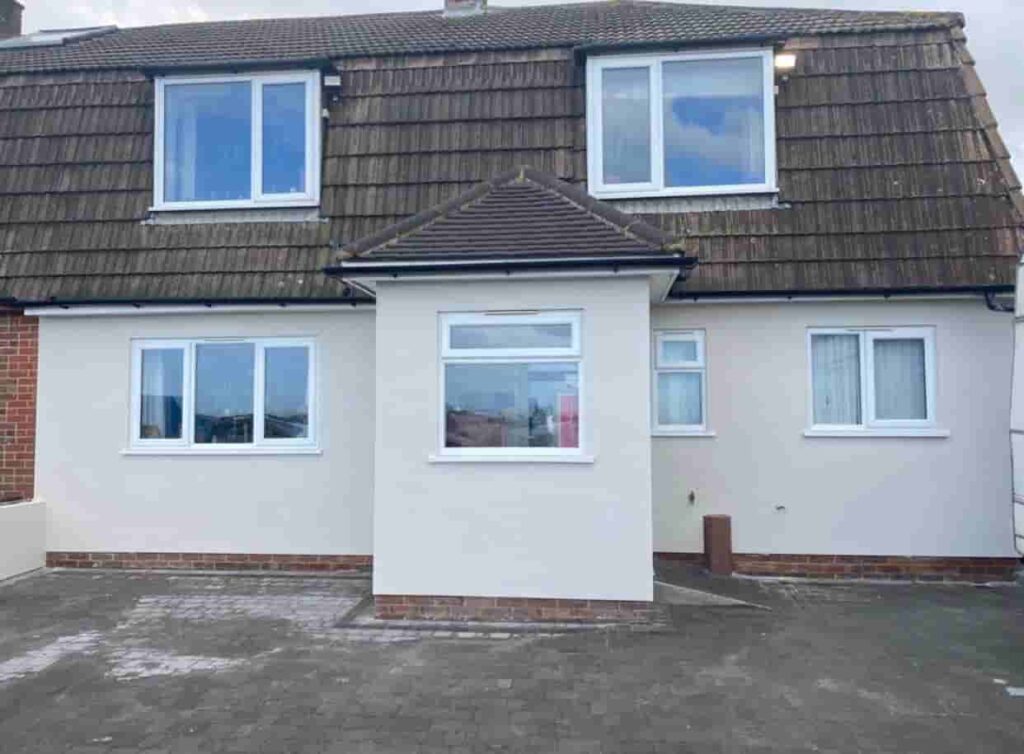
Roof tiles form an essential protective layer, helping to keep rainwater away from the underlying roof structure and the interior of your property. When a tile cracks, slips out of position or breaks completely, this protection can be weakened, allowing moisture to penetrate areas that should remain dry.
For homeowners in Foots Cray, South East London, damaged roof tiles should not be overlooked, even when there are no obvious signs of a leak inside the property. Identifying the problem early and arranging suitable roof repairs can help prevent further deterioration and protect the building from avoidable water damage.
How Do Broken Roof Tiles Cause Leaks?
A tiled roof is designed to shed rainwater down its surface and towards the gutters. The tiles overlap to create a protective covering, helping prevent water from reaching the layers beneath them.
When tiles become damaged or displaced, gaps can form in this covering. Rainwater may then reach the roofing underlay, battens or other components. Although these underlying materials can provide an additional level of protection, they are not intended to compensate indefinitely for damaged tiles.
The risk of water ingress depends on the location and extent of the damage, the roof’s design and the weather conditions. Heavy rainfall and strong winds can make existing defects more problematic, particularly where water is driven beneath loose or cracked tiles.
Common Signs of Damaged Roof Tiles
Recognising the warning signs can help you arrange repairs before a minor defect develops into a more serious roofing problem.
Cracked or Broken Tiles
Visible cracks, missing sections and completely broken tiles can leave parts of the roof exposed. Damage may result from ageing materials, impact from falling branches or other objects, or stress caused by changing weather conditions.
Even a small crack can allow water to reach vulnerable areas beneath the tile. If you notice fragments of roofing material on the ground or in your gutters, it may be worth arranging a professional inspection.
Slipped or Displaced Tiles
Roof tiles can move out of position when their fixings deteriorate or become loose. A slipped tile may expose gaps between neighbouring tiles, disrupting the way rainwater drains from the roof.
Displaced tiles can also become more vulnerable during strong winds. The problem may not be obvious from inside the property, which is why checking the roof’s external condition is important when a leak develops.
Damp Patches on Ceilings and Walls
Water entering through damaged tiles may eventually appear as brown stains, peeling paint or damp patches on ceilings and upper walls. You might also notice water dripping into the loft during rainfall.
However, the location of an internal stain does not always identify the precise point where water is entering. Rainwater can travel along roof timbers or other surfaces before becoming visible indoors.
A professional roofer can inspect the roof and trace the likely source of the leak rather than simply treating the visible damage inside the property.
Moss and Debris Around Roof Tiles
Moss, leaves and other debris can accumulate on tiled roofs, particularly in shaded or damp areas. Heavy growth may retain moisture and make it harder to spot cracks, loose tiles or deteriorating roof details.
Moss does not automatically mean that a roof is leaking, but its presence can make periodic inspections more important. Cleaning should be carried out carefully, as aggressive methods or walking directly on tiles can cause additional damage.
What Happens If Broken Tiles Are Left Unrepaired?
Ignoring damaged roof tiles can allow moisture to affect more than the visible roof covering. Over time, repeated water ingress may contribute to deterioration of the underlay, timber battens and roof supports.
Persistent dampness in the loft can also affect insulation and create conditions that encourage mould growth. Inside the property, leaks may damage ceilings, plasterwork and stored belongings.
Not every broken tile will lead to immediate internal damage, but waiting until water becomes visible can mean that the underlying problem has already progressed. Prompt attention helps establish the extent of the defect and the most suitable repair.
Can Broken Roof Tiles Be Repaired Without Replacing the Whole Roof?
In many cases, a roof does not need complete replacement simply because several tiles are damaged. If the problem is localised and the surrounding roof remains in sound condition, replacing broken tiles and securing displaced ones may be sufficient.
However, widespread cracking, repeated tile movement or signs of deterioration across a large section of the roof may indicate a more extensive problem. The condition of the underlay, battens, fixings and other roofing components should also be considered.
A professional assessment helps determine whether targeted repairs will restore adequate protection or whether further work is needed.
Why Professional Roof Tile Repairs Matter
Working on a tiled roof can be hazardous, and stepping on the wrong part of a tile may cause further breakage. For this reason, homeowners should avoid climbing onto the roof or attempting to reposition damaged tiles themselves.
A professional roofer can inspect the affected area, identify related defects and carry out appropriate repairs. This approach is particularly valuable when the source of a leak is unclear or when several tiles appear to have moved.
For properties in Foots Cray, South East London, addressing roof tile damage promptly can help maintain the roof’s weather resistance and reduce the likelihood of recurring leaks.
Roof Tile Repairs in Foots Cray, South East London
Broken, cracked or displaced roof tiles can compromise your property’s protection against rain and wind. Whether you have noticed missing tiles, damp patches in the loft or signs of water entering the house, it is important to establish the cause before the damage spreads.
Foots Cray Roofing Repairs provides roofing services to help property owners identify damaged tiles and resolve roof leaks. If you are concerned about the condition of your roof, contact our team to arrange an assessment and discuss the most suitable repair.
Conclusion
Damaged roof tiles can create gaps in the roof covering, allowing rainwater to reach vulnerable materials beneath the surface. If left unresolved, this can contribute to dampness, timber deterioration and damage inside the property.
Regular checks and timely repairs can help prevent minor tile defects from becoming more disruptive roofing problems. If you need professional roof tile repairs in Foots Cray, South East London, Foots Cray Roofing Repairs can assess the damage and help restore your roof’s protection.
Call us on: 0208 059 2692
Click here to find out more about Foots Cray Roofing Repairs
Click here to complete our contact form and see how we can help with your roofing needs.